What’s this red and blue spinning thing outside barber shops? What does it doo?
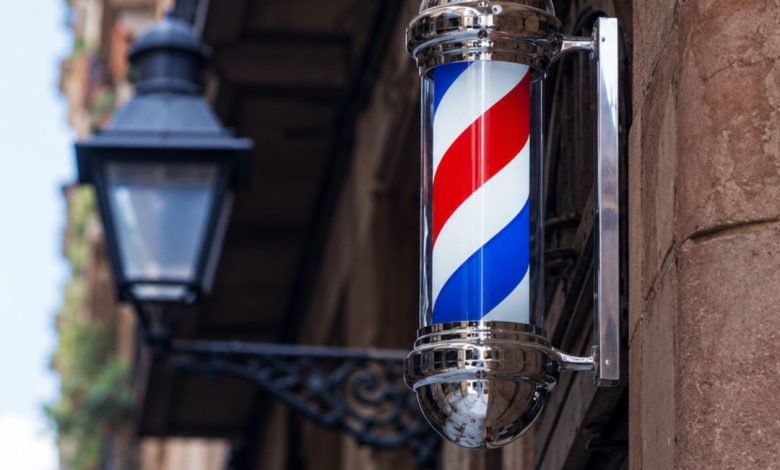
Most Americans have seen it before: a red, white, and blue striped cylinder spinning outside a barbershop. This familiar object is called a barber’s pole, and for generations it has been one of the easiest ways to recognize a place where people can get a haircut, shave, or beard trim.
Name: Barber’s pole
Main purpose today: A visual sign that marks a barbershop
Historical origin: Medieval Europe, especially the era of barber-surgeons
The barber’s pole has a much older history than many people realize. In the Middle Ages, barbers did more than cut hair. They were often known as barber-surgeons, meaning they handled grooming services along with certain basic medical procedures of the time. Britannica notes that European barbers practiced surgery for centuries after a 1163 church decree helped separate clergy from surgical work.
The colors are connected to that unusual history. The red is commonly linked to blood, while the white represents bandages. In the United States, the pole often includes blue, which is sometimes explained as a reference to veins or simply as a patriotic match with the American flag’s colors. HISTORY explains that the classic barber pole design is tied to bloodletting, with red and white symbolizing blood and bandages.
So what does the pole actually do? In modern times, it works mainly as advertising and identification. When people see the spinning stripes, they immediately know: this is a barbershop. The movement also helps catch the eye from the street, especially in busy neighborhoods.
Today’s barber’s pole no longer signals medical services. It is now a nostalgic symbol of traditional barbering, representing haircuts, shaves, clean grooming, and the classic neighborhood barbershop experience.
In short: that spinning red, white, and blue sign is not just decoration. It is a barber’s pole, a centuries-old symbol that began with barber-surgeons and survives today as one of the most recognizable signs in American street life.