I Tried the “Jar of Salt in the Car” Trick – Here’s What Happened
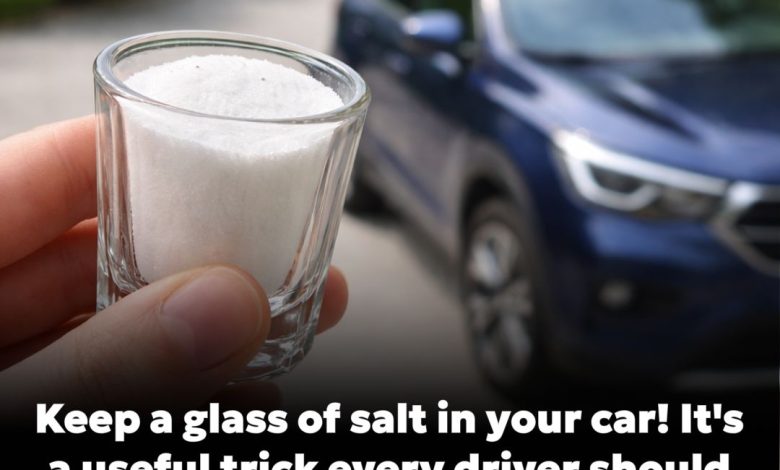
I never gave much thought to what I kept in my car—until one bitter winter morning when my tires spun uselessly on a thin sheet of ice. I was stuck, late, and irritated, expecting the usual routine: waiting for help, paying for a tow, and losing half the day.
Then a police officer pulled up, took one look at my wheels, and said something that sounded almost laughably simple: “Keep a jar of salt in your car.”
At first, I assumed it was just an old-time saying. But once he explained how it works, it clicked. This wasn’t superstition. It was practical winter physics—and it has saved me more times than I can count since.
Why Salt Works So Well in Winter Driving Situations
Salt helps because it lowers the freezing point of water, which means it can soften or melt thin ice just enough to make a difference—especially when you only need a small amount of traction to get moving again.
The best part is that it’s cheap, widely available, and easy to store—yet most drivers don’t carry any.
1) Quick Traction When Tires Spin on Ice
When your tires spin on icy pavement, you’re often trapped by a thin slick layer between rubber and road. Salt helps break that layer.
What to do:
- Keep a small jar or container of salt in your car (table salt works; coarse salt can work even better for grip).
- If you’re stuck, sprinkle salt directly in front of and behind the drive tires (the tires that actually power the car).
- Wait 30–60 seconds to let it start working.
- Gently accelerate—avoid flooring it, because spinning can polish the ice and make it worse.
Key point:
- Salt can melt just enough ice to let the tire bite, especially when combined with careful acceleration.
2) Even Better: Use a Sand-and-Salt Mix for Extra Grip
If you want more traction than salt alone can provide, add grit.
A simple mix:
- 2 parts sand + 1 part salt
- Store it in a sealed container or bag in the trunk.
Why it helps:
- Salt helps melt, while sand adds texture and friction so the tire can grip immediately.
3) Easier Windshield Ice Removal (Night-Before Hack)
Scraping thick frost and ice is one of the most annoying winter chores. Salt can make the ice easier to remove by preventing a hard freeze layer from bonding strongly.
A practical approach:
- Mix salt with water to create a mild solution.
- Lightly apply to the windshield the night before a freeze (using a spray bottle or cloth).
- In the morning, ice often loosens and scrapes away faster.
Important caution:
- Do not overdo it. Too much salt solution can leave residue. Use a light application and avoid dripping into areas you can’t wipe clean.
4) A Simple Moisture Absorber for the Car Interior
Winter brings wet boots, damp floor mats, foggy windows, and that “musty” smell that won’t leave. An open container of salt helps by pulling moisture from the air.
How to use it:
- Place an open jar of salt in a stable spot (cup holder, door pocket, or a secured corner on the floor).
- Replace or dry it out when it clumps, turns damp, or looks saturated.
Why it matters:
- Less interior moisture can mean less fogging and fewer lingering damp odors.
5) Spill Control in Emergencies
Coffee, slush, melted snow from shoes—spills happen, and in cold weather they can quickly turn into stains or bad smells.
A fast fix:
- Sprinkle salt on fresh spills to absorb moisture quickly.
- Let it sit briefly, then wipe or vacuum when possible.
Key benefit:
- Salt buys you time when you can’t do a full clean immediately.
6) Helpful for Frozen Locks and Door Seals
Frozen door seams and stubborn locks can turn a normal morning into a wrestling match with your own car.
Salt can help because it:
- Encourages ice to loosen faster, especially around thin edges like seals.
Practical tip:
- Use salt carefully around seals and wipe away residue afterward when you can.
What to Keep in Your Car
A simple winter salt kit:
- A sealed jar/container of salt (to prevent spills)
- Optional: sand-and-salt mix for stronger traction
- Optional: small cloth, disposable gloves, or a compact scoop
Storage advice:
- Keep it sealed while driving so it doesn’t spill.
- Use a container that won’t crack easily in cold conditions.
When Salt Helps—and When It’s Not Enough
Salt is a “small tool” with big impact, but it isn’t magic in every situation.
Salt is great for:
- Thin ice
- Light frost
- Short-distance traction to get unstuck
- Moisture and odor control
Salt is not a replacement for:
- Winter tires
- Snow chains (where appropriate)
- Safe driving speed and distance
- Proper winter emergency gear in severe climates
Closing Summary
A simple jar of salt can turn winter car problems into minor inconveniences. It can help you regain traction under spinning tires, make windshield ice easier to deal with, and even reduce interior moisture and odors. It’s inexpensive, takes almost no space, and can save real time and stress on the worst mornings.
If you pack only one extra item for winter, consider this: a small jar of salt may be the easiest, most practical “rescue tool” you’ll ever keep in your car.